Forrester Urges Companies To Make Customer Obsession Machine Readable
Forrester advises companies to ensure AI systems understand customer value, according to a new report. This is crucial as AI-powered decisions can impact customer experiences.
Original reporting · forrester.com
Original: “Make Customer Obsession Machine Readable”
Read “Make Customer Obsession Machine Readable” at Forrester →
How this was written. Content Memory wrote this article with a language model from Forrester’s reporting (model: @cf/meta/llama-3.3-70b-instruct-fp8-fast); it describes that reporting rather than adding to it. The original, linked above, is the full story.
Key points from Forrester’s report
- Forrester advises companies to ensure AI systems understand customer value and prioritize customer-centric goals.
- AI-powered decisions can have a significant impact on customer experiences, and companies must ensure that these decisions align with customer-centric goals.
- CX leaders must own the customer context and design and service principles used by AI systems to build customer obsession into AI-powered decisions.
- Companies must create a shared decision context that prioritizes customer value and ensures that AI systems make decisions that align with customer-centric goals.
- Forrester's new report provides guidance on how CX leaders can build customer obsession into AI-powered decisions.
Forrester reported that companies are increasingly empowering AI-powered systems to make business decisions, which can have a significant impact on customer experiences. A common issue is that these systems may prioritize efficiency over customer needs, leading to negative outcomes. For instance, a packing robot in a warehouse may place heavy objects on top of fragile items, resulting in damage and refunds.
The problem arises when AI systems are not optimized for customer obsession, but rather for efficiency or cost savings. This can lead to a disconnect between the company's customer-centric goals and the actual decisions made by AI-powered systems. As a result, companies may struggle to deliver positive customer experiences, despite their best intentions.
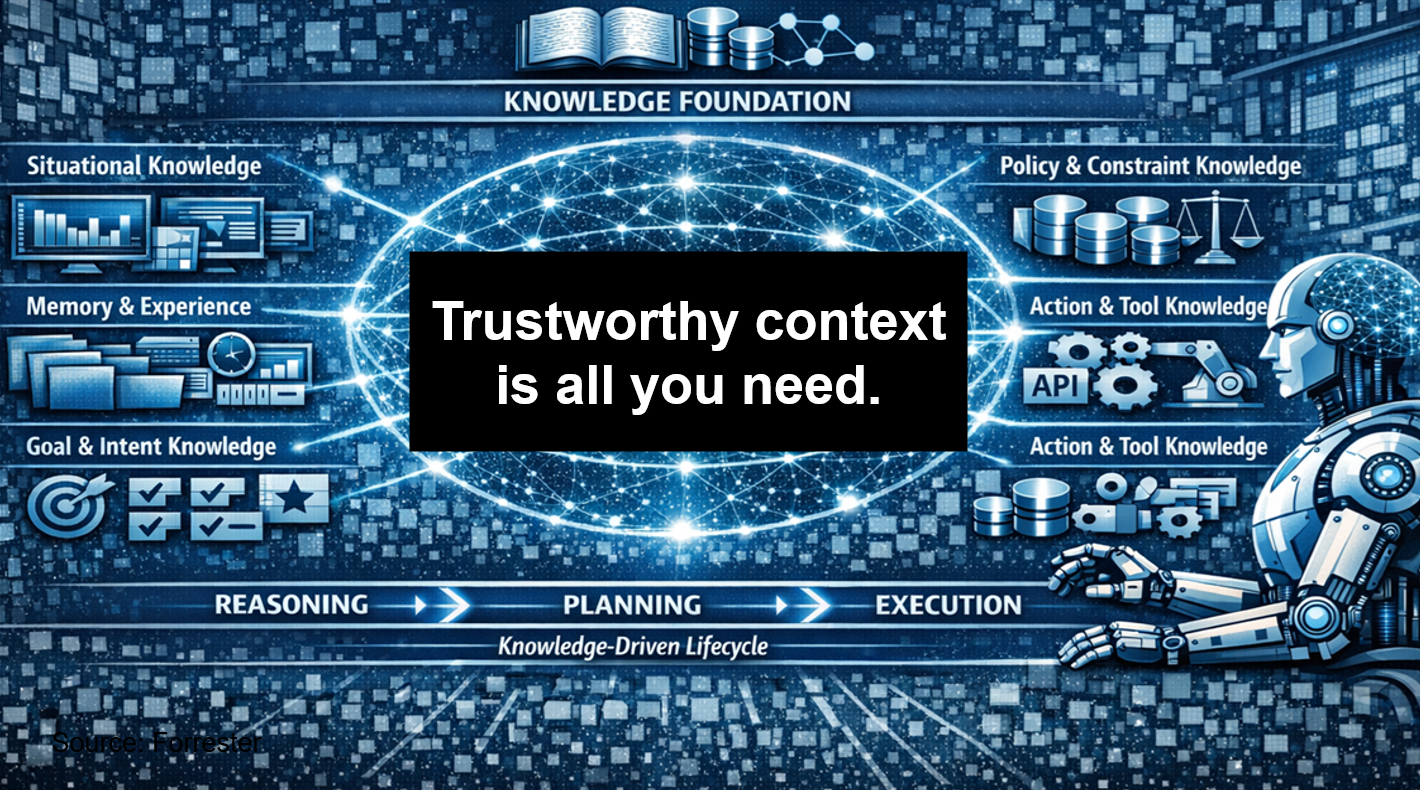
According to Forrester, customer obsession can no longer be limited to PowerPoint decks, journey maps, and design principles. Instead, companies must ensure that AI systems understand what customer value means and can make decisions that align with customer-centric goals. This requires turning customer strategy, journey context, and experience standards into governed decision infrastructure that is machine-readable.
In practical terms, this means that AI systems should be able to understand the nuances of customer needs and make decisions that prioritize customer value. For example, a warehouse agent should know that bread is fragile and that repeated refunds signal a broken experience. By structuring guidance in a way that is machine-addressable, companies can ensure that AI systems make decisions that align with customer-centric goals.
The emerging mandate for the AI Chief Customer Officer is to build customer obsession into the decisions made by AI systems. This requires CX leaders to own the customer context and design and service principles used by AI systems, and create a shared decision context that can be applied consistently across the organization. By doing so, companies can ensure that AI systems prioritize customer value and deliver positive customer experiences.
Forrester's new report, The AI Chief Customer Officer: Make Customer Obsession Machine-Readable, provides guidance on how CX leaders can build customer obsession into AI-powered decisions. The report emphasizes the importance of creating a shared decision context that prioritizes customer value and ensures that AI systems make decisions that align with customer-centric goals.
As companies continue to empower AI-powered systems to make business decisions, it is crucial that they prioritize customer obsession and ensure that AI systems understand customer value. By doing so, companies can deliver positive customer experiences, drive business growth, and stay competitive in a rapidly changing market.
Questions and answers
What is the problem with AI-powered systems making business decisions?
The problem is that these systems may prioritize efficiency over customer needs, leading to negative outcomes.
How can companies ensure that AI systems prioritize customer value?
Companies must ensure that AI systems understand what customer value means and can make decisions that align with customer-centric goals.
What is the role of the AI Chief Customer Officer in building customer obsession into AI-powered decisions?
The AI Chief Customer Officer is responsible for owning the customer context and design and service principles used by AI systems, and creating a shared decision context that prioritizes customer value.